- Home
- Membership
- Publications
- Activities & Programs
- Resources
- Login
PEEP AwardsStudent Awardees, 2026 Permafrost Engineering Education Program (PEEP) Spring Cycle
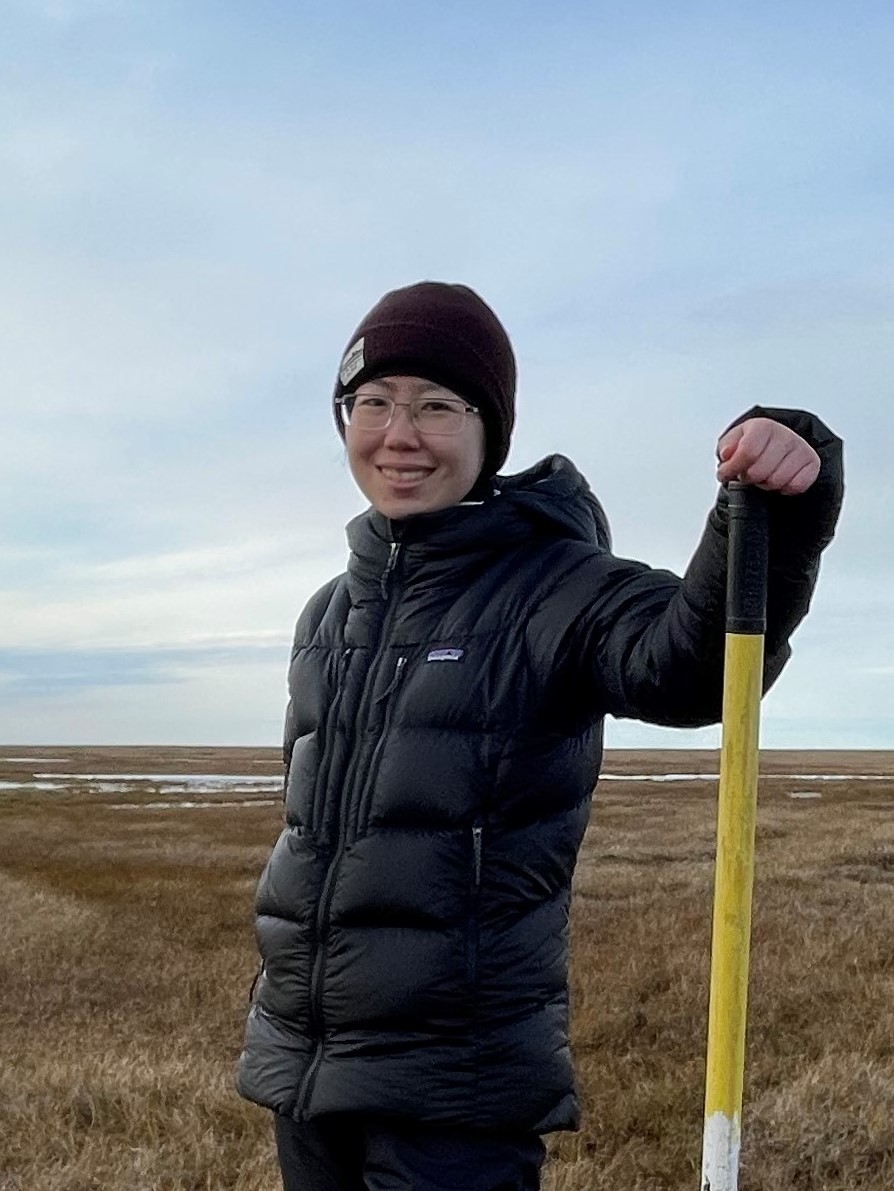
I am a postdoctoral researcher at the University of Virginia studying how Arctic infrastructure reshapes near-surface permafrost conditions. My work combines geophysical methods (ERT and GPR) with field observations to resolve small-scale variability in thaw beneath and around roads and buildings in Utqiaġvik, Alaska. I am particularly interested in how infrastructure, snow redistribution, and water flow create localized zones of degradation and stability that are important for community-level risk assessment. With support from the USPA PEEP award, I will attend the Asian Conference on Permafrost (ACOP) 2026 in Mongolia to present my work and engage with the international permafrost community. This support will enable me to share my research, receive feedback, and build collaborations that contribute to the development of monitoring approaches and inform engineering decisions for Arctic infrastructure. Student Awardee, 2025 Erv Long Memorial Award:
I am a Ph.D. student in Civil and Environmental Engineering at the University of New Hampshire. My research focuses on developing an in-flight soil-freezing system for geotechnical centrifuge modeling that enables realistic simulation of freeze-thaw cycles and their effects on seismic site response in Arctic soils. The 2025 USPA Erwin "Erv" Long Memorial Award will enable me to attend conferences and workshops where I can meet colleagues interested in Arctic infrastructure resilience. Participating in these activities will provide me with valuable opportunities for sharing findings, exchanging ideas, and enhancing collaboration within the permafrost community. I am very thankful to the United States Permafrost Association for this recognition and continued support of early-career researchers in permafrost science and engineering. Student Awardees, 2025 Permafrost Engineering Education Program (PEEP)
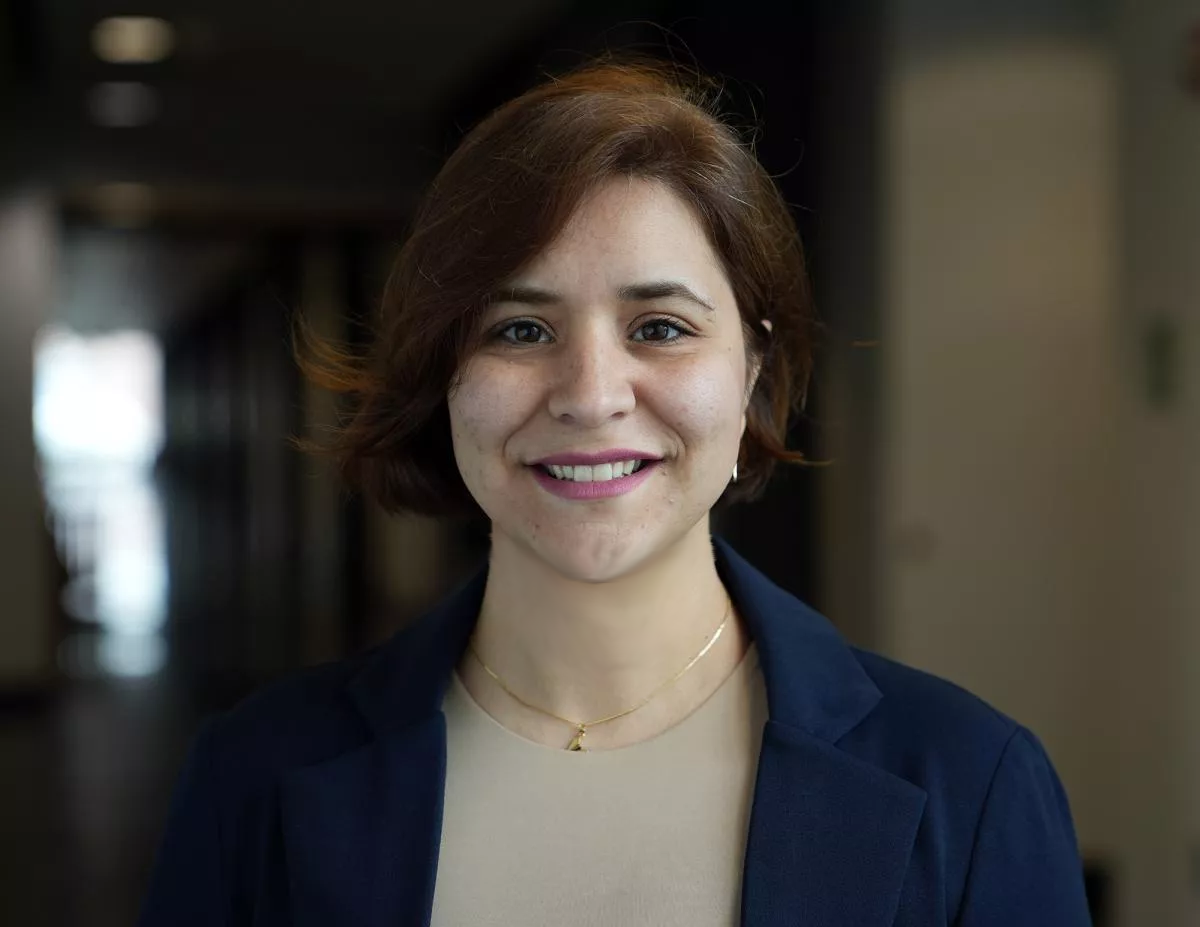
I am a Climate Fellow at the University of Virginia Environmental Institute and a Postdoctoral Research Associate in the Department of Environmental Sciences. My research focuses on permafrost–infrastructure interactions: I combine micrometeorological sensor networks, satellite-derived snow metrics, geophysical imaging, and environmental data analysis to quantify how urban form influences ground temperatures, active-layer dynamics, and hydrology. Within the Environmental Institute’s Climate Collaborative, I work in an interdisciplinary team spanning geology, terrestrial ecology, landscape architecture, and the social sciences, co-producing research with Tribal and municipal partners in Utqiaġvik, Alaska. Together we study how snow redistribution and surface-water management around infrastructure affect permafrost stability and community resilience. This award supports my participation in AGU 2025, where I will present an oral talk on lagoon and lake hydrology across an infrastructure gradient and a poster on satellite-based assessment of snow cover dynamics in Utqiaġvik. Both projects advance practical understanding of permafrost dynamics in Arctic cities. The PEEP Award offsets travel costs and enables me to share findings, engage with the permafrost engineering community, and expand collaborations across cryosphere science, geospatial analysis, and Arctic adaptation.
I am a graduate student in Environmental Data Science at the University of Southern California. While at USC, I have had the opportunity to conduct research at the intersection of environmental science and data science in the MiXIL lab, part of the Department of Electrical Engineering. My work focuses on understanding how soil organic carbon (SOC) in Arctic permafrost responds to rapid environmental change. A key aspect of my research involves a community synthesis project aimed at consolidating and harmonizing soil property data across boreal–Arctic Alaska. This includes integrating diverse datasets from field measurements, historical records, and collaborative networks to improve the representation of permafrost carbon in scientific analyses, modeling frameworks, and remote sensing applications. These data synthesis efforts are critical for reducing uncertainty in permafrost carbon estimates and supporting more accurate predictions of how Arctic ecosystems will respond to climate change. I am deeply grateful to USPA for their generous support in attending AGU 2025 in New Orleans, LA. I'm thrilled to present our work to leading researchers, connect with fellow scientists in the permafrost community, and learn about cutting-edge technologies in climate data analysis, including advances in AI and machine learning. Thank you to USPA for investing in early-career researchers and fostering the next generation of permafrost science. Student Awardees, 2024 Permafrost Engineering Education Program (PEEP)
Mohammad Abweny, Clarkson University My name is Mohammad Abweny, a PhD student in Civil and Environmental Engineering at Clarkson University. My research directly addresses key challenges in permafrost engineering, specifically the structural stability and resilience of pile foundations in warming permafrost environments. By studying the thermo-mechanical performance of both conventional and thermosyphon pile foundations, my research aims to enhance our understanding of how increasing temperatures impact load transfer mechanisms, pile settlement, and creep behavior of pile foundations in frozen soils. Additionally, my research explores optimizing thermosyphon performance to stabilize permafrost more effectively and reduce the risk of settlement. These efforts contribute to developing adaptive foundation designs capable of withstanding climate-induced warming in Arctic regions. Winning the USPA PEEP award will provide crucial support for my travel to the PanAm UNSAT 2025 Conference in Ottawa, where I will present my findings and engage with the scientific community.
Elham Ajorlou, University of New Hampshire
I am a PhD student in Civil and Environmental Engineering at the University of New Hampshire. As an early-career researcher, my work focuses on the resilience of Arctic infrastructure, particularly in regions where thawing permafrost and seismic activity intersect. My research involves modeling the behavior of soils under seismic stress and understanding how these behaviors evolve as permafrost degrades due to rising temperatures. A key aspect of my work is creating seismic fragility curves for Arctic infrastructure, such as bridges in Glennallen, Alaska, where permafrost degradation and seismic risks pose significant challenges. This includes analyzing seasonal variations using sensor data, historical records, and insights from local communities. These fragility curves are critical for estimating future damage and risks under changing climate and seismic conditions, supporting emergency response and long-term planning. I am deeply honored to receive the 2024 USPA Erv Long Memorial Award from the United States Permafrost Association (USPA). This support will significantly enhance my research by covering essential needs, such as attending conferences, traveling to Alaska for data collection, and engaging in community outreach. These opportunities are vital for advancing my work and professional development. I am sincerely grateful to USPA for their generous support and am excited to continue contributing to the field of permafrost engineering as part of their community.
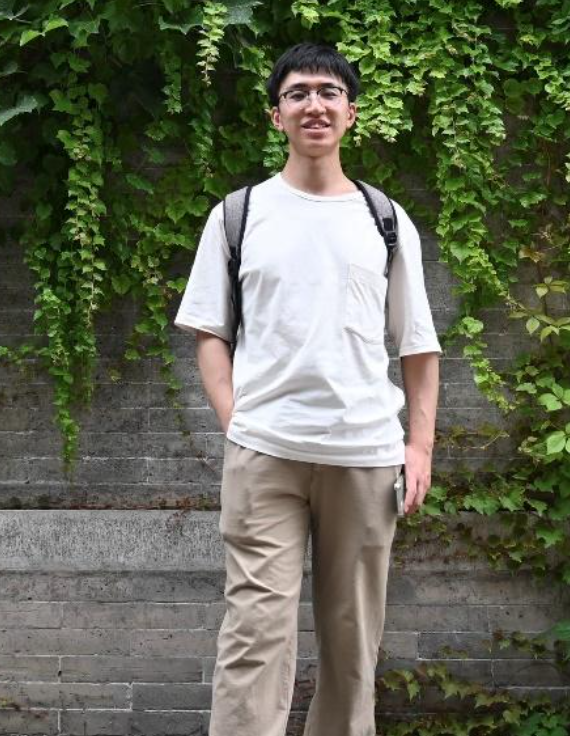
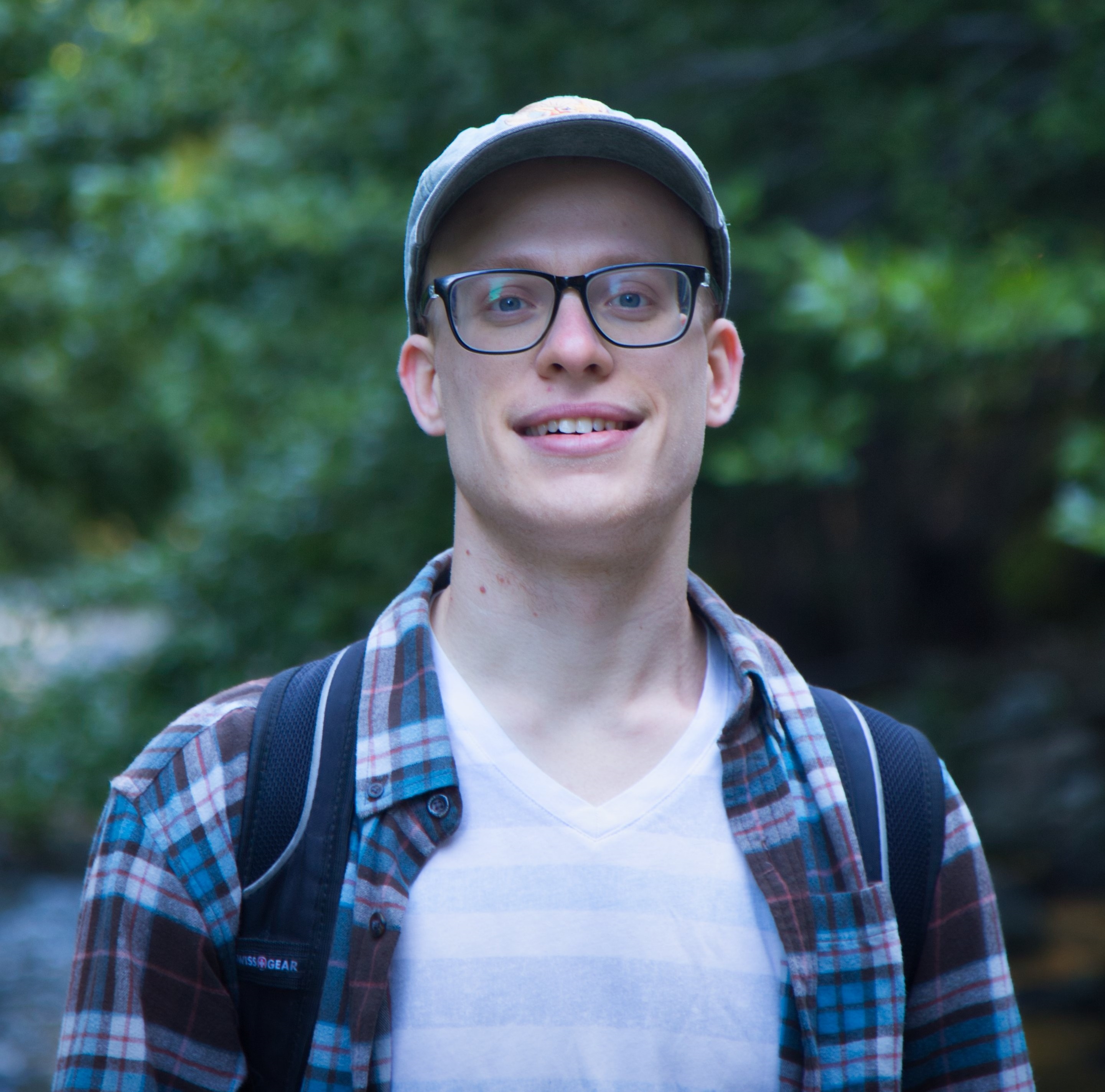
I am a PhD student in Civil Engineering at The Ohio State University, focusing on the formation mechanisms and safety implications of gas blowout craters within degrading permafrost regions. My research employs statistical analyses and computational modeling to systematically quantify key factors, such as temperature, thawing and freezing indices, and snow depth, that influence the formation of these craters. I am sincerely grateful to the USPA for this invaluable opportunity to share my research. The conference was an excellent forum for connecting with fellow scientists, gaining insights from cutting-edge research, and gathering constructive feedback on my work. Being part of the USPA community is a true privilege, and I am excited to collaborate with researchers and engineers to deepen our understanding of permafrost and actively address the challenges posed by its degradation. Student Awardees, 2023 Permafrost Engineering Education Program (PEEP)
Student Awardees, 2022 Permafrost Engineering Education Program (PEEP)
Student Awardees, 2021 Regional Conference on Permafrost (RCOP) & 19th International Conference on Cold Regions Engineering (ICCRE), Virtual
Travel Grant Winners, Tenth International Conference on Permafrost (TICOP), Salhekard, Russia
|
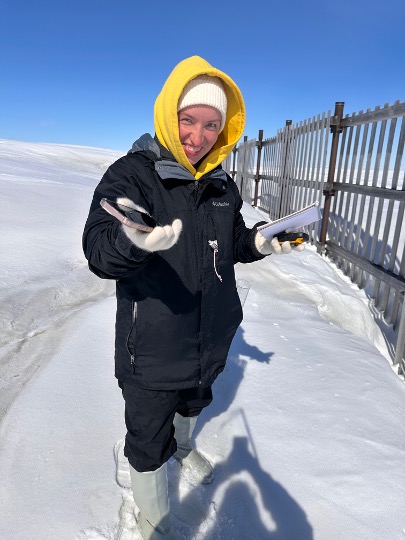 Valentina Ekimova, University of Virginia
 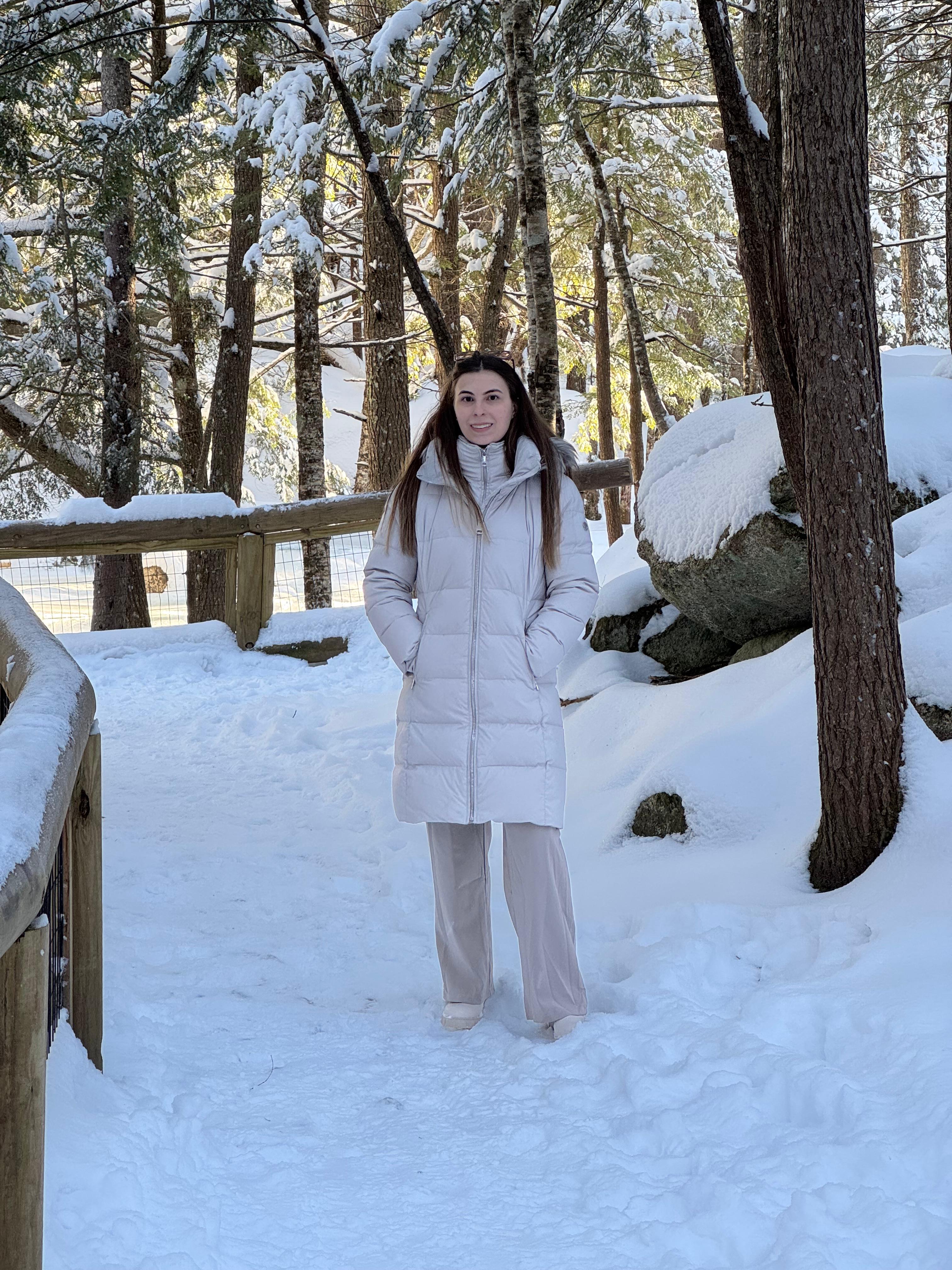 Daniela Morganti, University of New Hampshire
 Valentina Ekimova, University of Virginia
  Sophia Henze, University of Southern California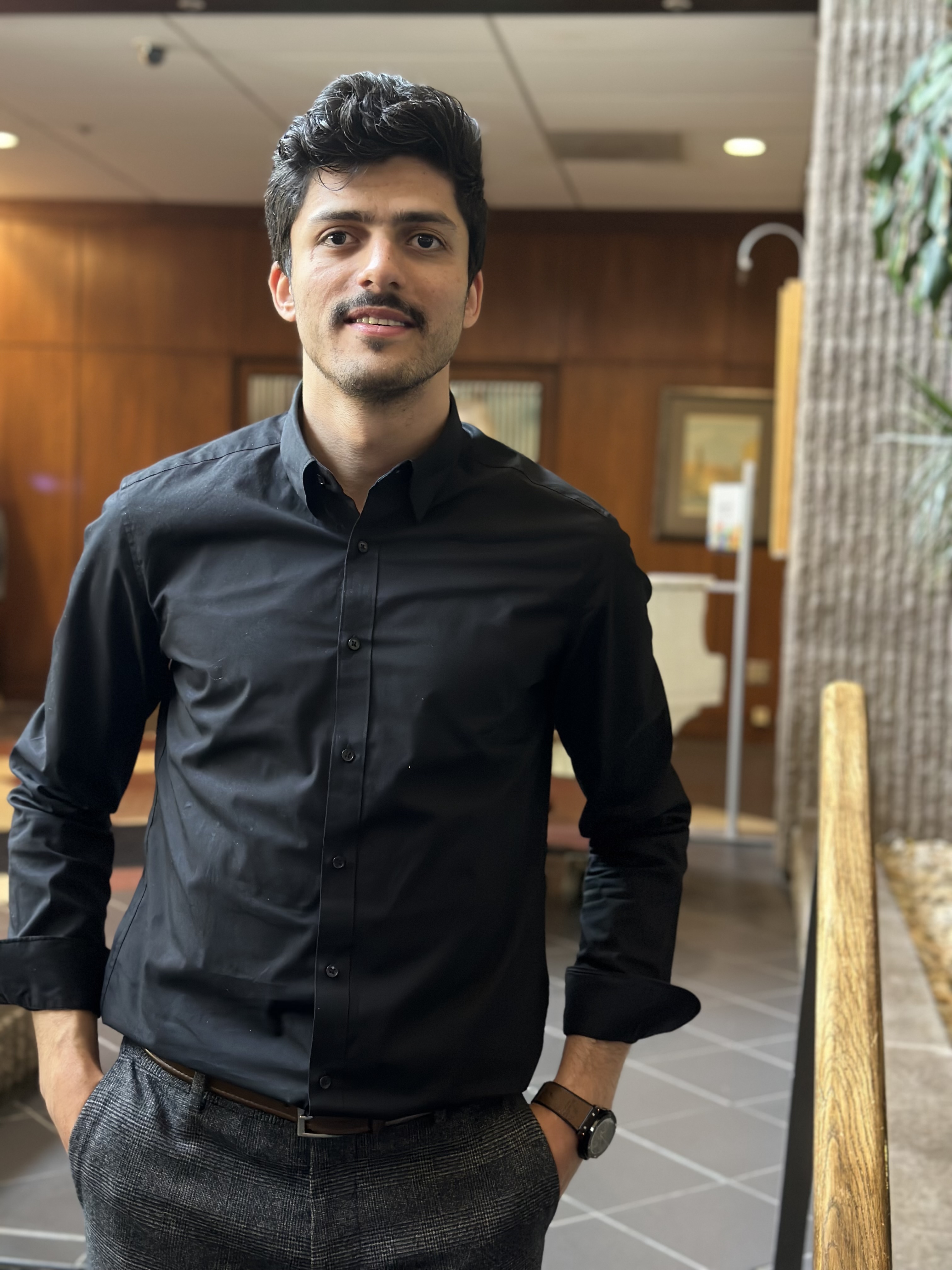
 Yu Zhao, Ohio State University
 Kaytan Kelkar, University of Alaska Fairbanks
 Kaytan Kalkar, University of Alaska Fairbanks
 Min Liew, Pennsylvania State University

 Demi Mixon, Texas A&M
  Kerri Lathrop, Tanana village school, Tanana, Alaska